
What’s Involved in Professional Land Clearing?
People seeking professional land clearing are usually aiming to prepare land for development or farming, and local contractors can handle tasks like tree removal, debris cleanup, and site leveling.
Understanding what’s involved in professional land clearing can help property owners make informed decisions about preparing their land for future projects or development. Whether clearing space for a new building, creating a safe outdoor area, or managing overgrown terrain, the process often involves several key steps, including removing trees, shrubs, and debris, as well as grading the land to ensure proper drainage. Local contractors who specialize in land clearing bring the necessary equipment and expertise to handle these tasks efficiently, making the process smoother and more manageable for property owners.
For those exploring land clearing options, knowing what to expect can clarify the scope of work and the benefits of working with experienced service providers. Local pros can assess the land’s specific needs, handle the necessary removal and grading, and ensure the site is prepared for its next purpose. Keep reading to learn more about the practical aspects involved in professional land clearing and how local service providers can assist in turning overgrown or unused land into a functional space.
- Tree removal services are needed when clearing land that has overgrown or hazardous trees, with local contractors using specialized equipment to safely remove and dispose of trees. Brush clearing is essential for preparing properties for development or agriculture, and local pros typically use heavy-duty machinery to efficiently clear dense vegetation. Stump grinding is required after tree removal to eliminate remaining stumps, with service providers employing powerful grinders to level the land. Land leveling and grading are important for creating a suitable foundation, with local contractors using grading equipment to ensure proper drainage and a level surface. Debris removal services come into play to clear away leftover branches, logs, and debris, with local pros providing thorough cleanup to prepare the land for its next use.
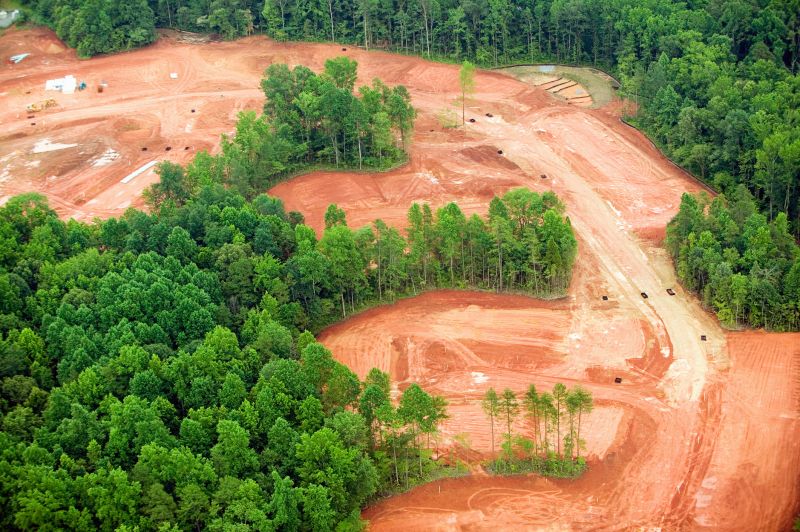
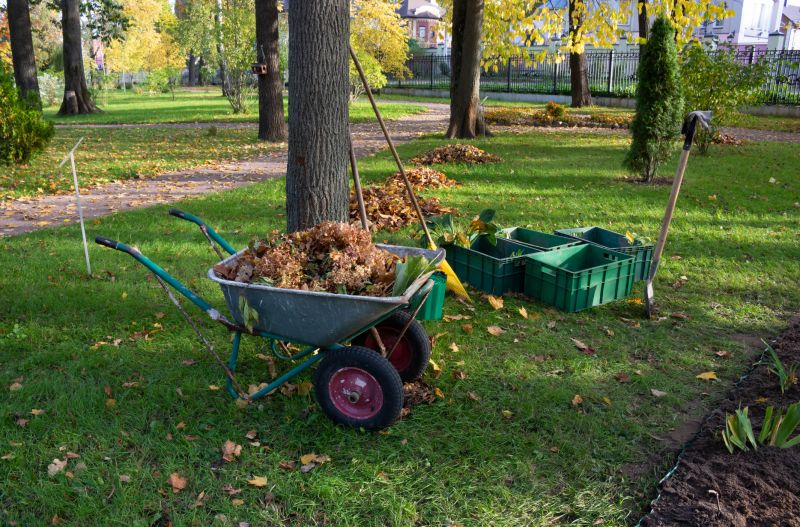
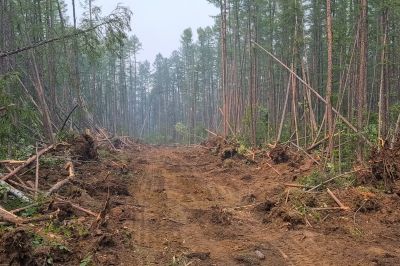
When people search for what’s involved in professional land clearing, they are often trying to understand the scope of work needed to prepare a property for development, farming, or other projects. Land clearing typically involves removing trees, shrubs, stumps, and other vegetation to create a clean, accessible space. Homeowners might be exploring this process because they want to build a new home, expand an existing yard, or develop a recreational area. Understanding the basics of land clearing helps property owners plan effectively and know what to expect when working with local contractors who specialize in this type of work.
Land clearing is often linked to a variety of property-related plans and challenges. For instance, property owners may need to clear land to meet zoning requirements, improve drainage, or eliminate hazards like dead or overgrown trees. Sometimes, land clearing is necessary after storms or natural events that leave debris and fallen trees scattered across a property. It can also be part of a larger project such as installing utilities, creating a driveway, or preparing a site for construction. Local service providers are experienced in handling these diverse needs, ensuring that the land is properly prepared for whatever the next step may be.
The types of properties that typically come up for land clearing projects vary widely. Rural properties, farms, and large plots of undeveloped land often require extensive clearing to make them usable for agriculture or development. Residential properties, especially those with dense tree cover or overgrown vegetation, may also need professional clearing to create open yards or build new structures. Commercial sites, such as parking lots or industrial complexes, frequently require land clearing as part of their development process. Local contractors are familiar with the unique challenges each property type presents and can tailor their services accordingly to ensure the land is ready for its intended use.
Understanding what’s involved in professional land clearing helps homeowners see how local service providers fit into their projects. These professionals typically handle tasks such as tree removal, stump grinding, brush clearing, and debris hauling. They use specialized equipment to efficiently and safely clear the land, minimizing damage to the remaining landscape. By working with experienced land clearing contractors, property owners can ensure the job is done properly and safely, making their land ready for construction, landscaping, or other future plans. This connection to local pros provides a practical way to turn clearing a property into a manageable, well-executed project.
Tree removal services - professionals specializing in tree removal often perform land clearing tasks that involve removing hazardous or unwanted trees to prepare sites for development or landscaping.
Brush and debris clearing - local contractors skilled in brush removal can handle overgrown vegetation and debris, making land ready for construction or agricultural use.
Grading and excavation - these services involve reshaping the land surface, which is a key part of land clearing projects to ensure proper drainage and stability.
Stump grinding and removal - stump removal specialists help clear remaining tree stumps after land clearing, facilitating future land use or construction.
Land leveling services - experts in leveling and contouring land assist with preparing uneven terrain for building projects or landscaping designs.
Vegetation management - professionals in vegetation control implement strategies for clearing dense undergrowth and invasive plants, ensuring clear and accessible land.
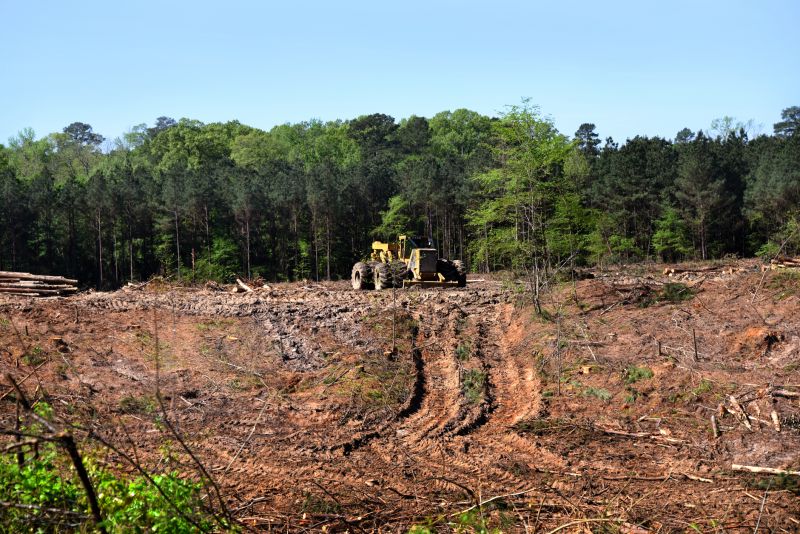
When evaluating professional land clearing services, it’s important to consider the experience of local contractors with similar projects. Land clearing can vary significantly depending on factors such as land size, terrain, and vegetation types. Service providers with a history of handling projects comparable to what’s involved in professional land clearing can offer insights into potential challenges and effective solutions. Asking for examples of past work or references related to land clearing jobs similar to the scope at hand can help gauge their familiarity and competence with the specific requirements of the project.
Clear, written expectations are essential when comparing local pros for land clearing. A detailed scope of work should outline the tasks involved, including vegetation removal, debris disposal, and site preparation. This clarity helps ensure that both parties understand the extent of the work and can prevent misunderstandings later on. Reputable service providers typically provide comprehensive estimates or proposals that specify what’s included, helping homeowners make informed decisions. Well-documented expectations also facilitate smoother communication and serve as a reference point throughout the project.
Good communication and reputable references are key factors when selecting local contractors for land clearing. Service providers who are transparent about their processes and willing to answer questions demonstrate professionalism and a commitment to client satisfaction. Additionally, seeking references from previous clients can provide insights into the contractor’s reliability, quality of work, and ability to meet deadlines. Effective communication ensures that any concerns or adjustments can be addressed promptly, leading to a more positive overall experience. Prioritizing these qualities can help homeowners find a service provider capable of handling the complexities involved in professional land clearing efficiently and effectively.
Property owners often search for what’s involved in professional land clearing? when they are planning practical projects around their homes and businesses. Local pros provide Professional Land Clearing services for everyday jobs and straightforward project options.
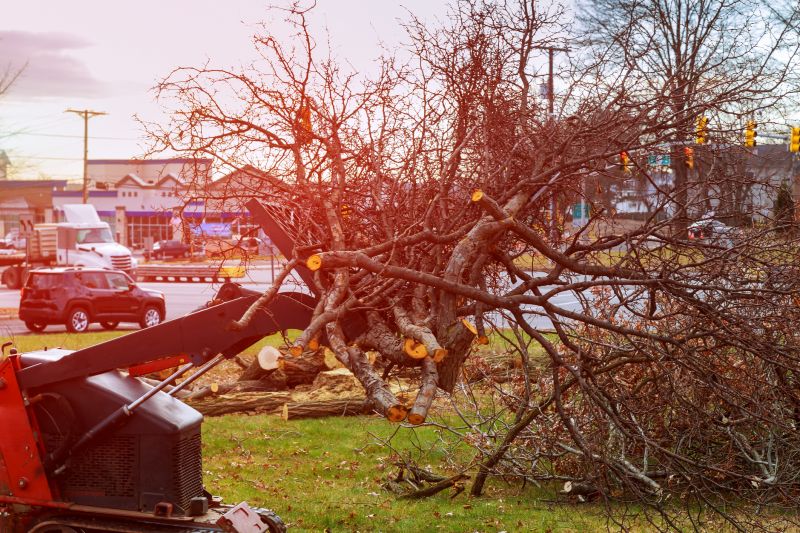
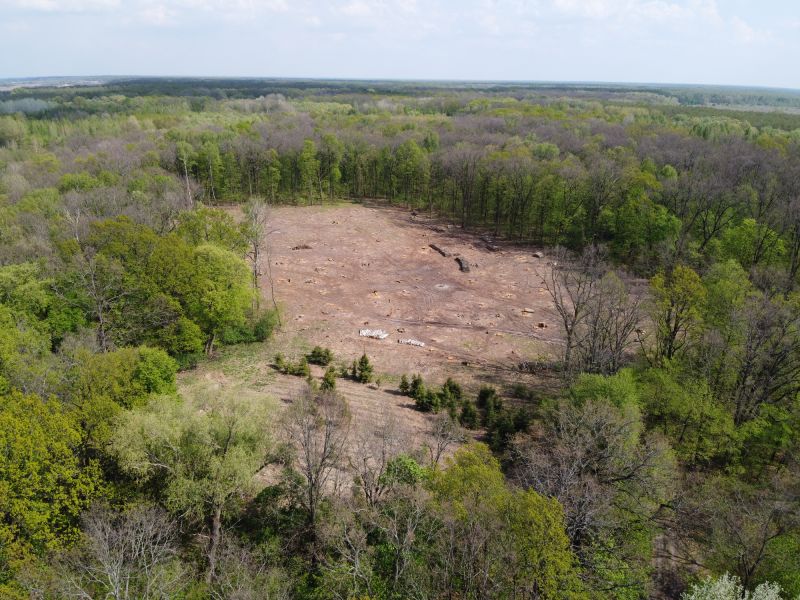
Understanding what’s involved in professional land clearing can help property owners better prepare for the process. Typically, local contractors assess the land’s size, terrain, and vegetation to determine the most effective approach. They often use heavy machinery like bulldozers, excavators, and stump grinders to remove trees, shrubs, and debris, making the land suitable for development, farming, or landscaping projects. This work may also include grubbing roots, leveling the ground, and addressing any obstacles that could hinder future use of the property.
Many property owners seek out professional land clearing services to save time and ensure the job is done safely and efficiently. Local service providers are experienced in handling various land types and can manage the complexity of clearing projects, whether it involves small lots or large acreage. By working with local contractors, property owners can access the expertise needed to prepare their land properly, whether for construction, agriculture, or other purposes.
What is involved in professional land clearing? Professional land clearing typically includes removing trees, shrubs, and debris to prepare a site for development or other uses. Local contractors use specialized equipment to efficiently clear the land while minimizing environmental impact.
What equipment do land clearing services use? Land clearing services often utilize bulldozers, excavators, mulchers, and chainsaws to remove vegetation and level the land. The choice of equipment depends on the size and complexity of the project.
Are there different techniques used in land clearing? Yes, techniques vary from manual removal for small areas to heavy machinery for larger sites. Some projects may involve stump grinding or mulching to manage remaining debris effectively.
What types of land are suitable for professional clearing? Most types of land, including wooded, overgrown, or uneven terrain, can be cleared by local service providers. They assess the site to determine the best approach for efficient clearing.
What steps are involved in the land clearing process? The process generally involves site assessment, vegetation removal, debris disposal, and land leveling. Local pros ensure the work meets the specific needs of the project and site conditions.
Site assessment and planning - Local contractors evaluate the land to identify obstacles and determine the best clearing methods for the project.
Tree and vegetation removal - Professionals use specialized equipment to safely and efficiently remove trees, shrubs, and underbrush based on the property owner's goals.
Debris disposal and site cleanup - Clearing services include removing and hauling away debris to leave the land ready for its next use or development.
Permitting and land preparation - Service providers can assist with necessary permits and prepare the land for construction, farming, or other activities.
If you are thinking about what’s involved in professional land clearing? for a property, this guide is meant to help you understand this topic, the typical project types, and how different options might fit your plans.
When you are ready, you can use the quote form on this page to share a few details about your project. From there, local pros can review the basics and follow up with options that match what you have in mind.